By Wahome Ngatia
In the complex landscape of global development, “impact” is often used as a buzzword. But for the Scaling Up Nutrition Civil Society Alliance (SUN CSA), impact is a math problem solved through multiplication. Rather than acting as a lone wolf, SUN CSA has built a formidable ecosystem that proves one simple truth: in the fight against malnutrition, we are louder together.
As a membership-driven organization, SUN CSA prides itself on harnessing the “power of many.” With a current network of 435 member organizations, they maintain a physical footprint across all 47 Kenyan counties. Crucially, this presence is organic—cemented through local members rather than a top-heavy head office. This decentralized model is a masterstroke in efficiency, specifically designed to eliminate the “overlapping interventions” that often plague the NGO sector.
Beyond the Breadline: Advocacy in Action
The stakes could not be higher. According to the 2022 Kenya Demographic and Health Survey (KDHS), approximately 18% of children under five in Kenya are stunted, a condition that limits both physical and cognitive potential. SUN CSA tackles this crisis at the source by turning policy-makers into advocates.
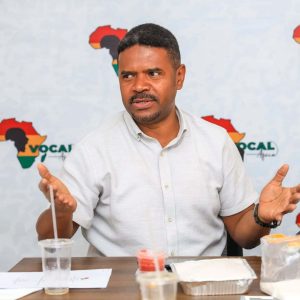
On the national stage, the alliance engages directly with “duty bearers”—parliamentarians and ministry officials. “Initially, our lawmakers were not aware of the nuances of food security and nutrition,” says Edwin Okoth, Executive Director. “Through constant engagement, we now have champions in the legislature who belong to a dedicated caucus on food security.”
Training the Gatekeepers
SUN CSA understands that for a message to stick, it must be told well. Since its founding in 2013, the organization has trained over 5,000 journalists on the complexities of nutrition. They’ve even modernized their media relations through a high-level WhatsApp group, allowing them to bypass traditional red tape and reach key media personalities instantaneously when news breaks.
Beyond media, they offer a suite of services to their members—ranging from small Community-Based Organizations (CBOs) to major International NGOs (INGOs)—including:
- Policy Advice: Navigating the legal frameworks of food security.
- Capacity Building: Strengthening the technical skills of frontline workers.
- Technical Training: Ensuring interventions are backed by the latest science.
The Cost of Excellence
Perhaps the most unique aspect of the SUN CSA model is its entry requirement. While membership is free, it is far from “easy.” The organization conducts rigorous background checks to ensure every new member aligns with their core values. They are not looking for numbers; they are looking for integrity.
So, how does this engine stay fueled? SUN CSA’s overhead and program costs are met through a diverse funding base, including the Bill & Melinda Gates Foundation, the Global SUN Movement, and BMZ (Germany’s Federal Ministry for Economic Cooperation and Development).
Conclusion
The SUN CSA model reveals that the most significant problems of our time—like hunger and stunted growth—cannot be solved in silos. By building an alliance based on trust, rigorous vetting, and shared goals, they have created a blueprint for what modern civil society should look like. Nutrition is not just a health issue; it is the foundation of a nation’s economy. And as SUN CSA has shown, when we align our voices, even the most silent crises finally get the hearing they deserve.