By Wahome Ngatia
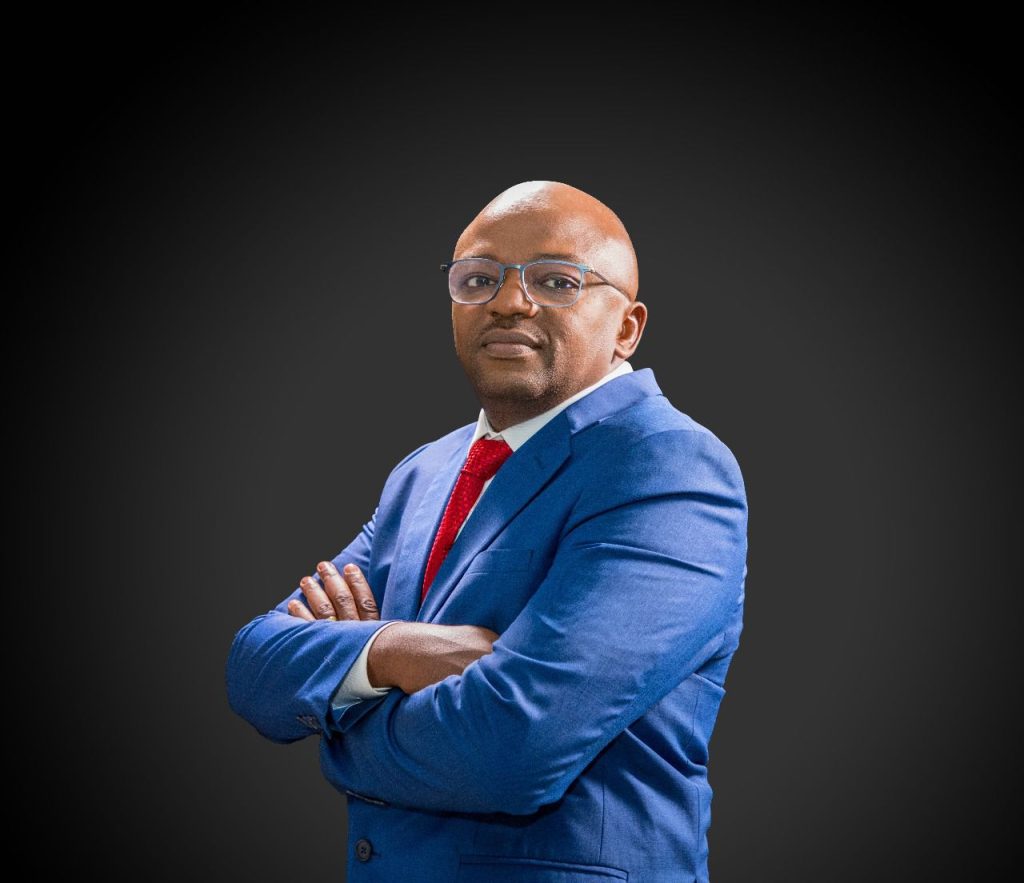
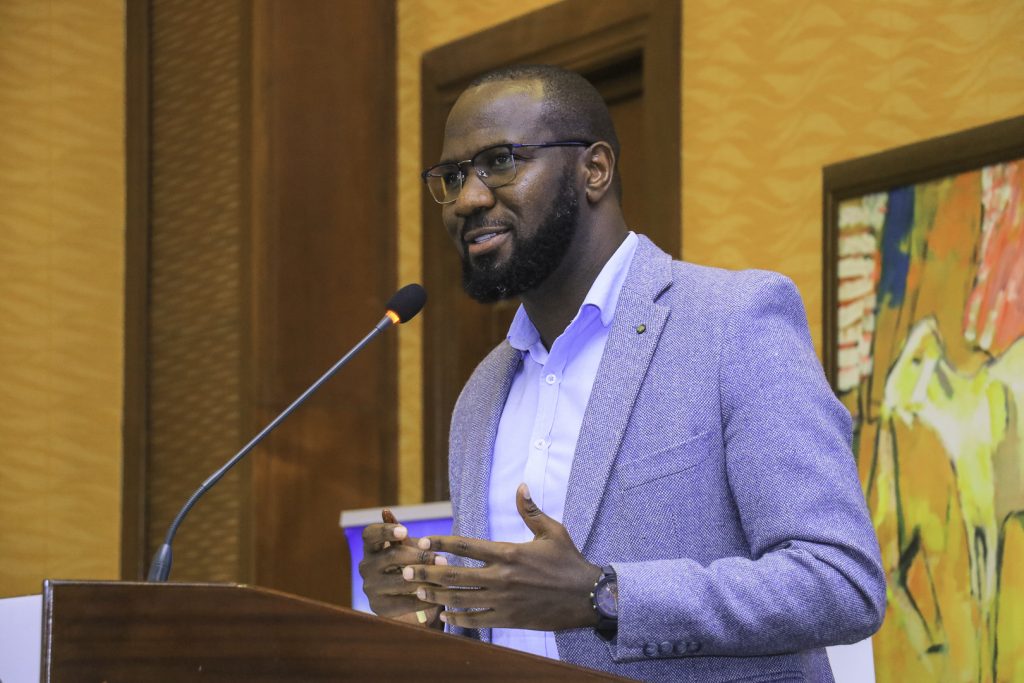
As Kenya heads into election season, the Kenya Human Rights Commission is positioning itself at the intersection of democracy and accountability. In this conversation, the KHRC Deputy Executive Director Cornelius Oduor outlines their strategy to educate young voters, monitor government spending, and maintain civil society’s role as an objective voice amid political noise. From youth unemployment to national debt, the discussion tackles the critical issues that will shape voter decisions in 2027.
2026 is here. What is KHRC planning to achieve?
The elections are looming and we know the campaign season will kick off. Our programming will align with that. We believe elections are a key pillar of the democratic process. Because we’re aware the narrative by politicians will dominate, we’re focusing on educating the masses on the core issues that will determine voters’ decisions come 2027.
What are these issues that will be a sticking point for voters?
Youth unemployment is high because our economy is struggling. That’s why talented young people are being shipped to work in other countries, contributing to our brain drain. Secondly, national debt is choking our coffers. Most government revenue goes to repaying loans, taking away money that could be pumped into critical sectors like education and healthcare.
We understand government is divesting from state corporations to raise funds for the infrastructure fund. But we’ll keep watch because if those funds are applied in an environment of corruption, the money won’t achieve its intended purpose. The people who will suffer most are those at the bottom of the pyramid.
Last year KHRC revealed plans to put youth at the heart of your strategy. How are you achieving that this year?
Yes, we really want to work with young people more intentionally this year. From what we witnessed in the Gen Z protests, the youth have the numbers. We want to bring quality to those numbers by educating them and giving them the information they need to make sound decisions. Hopefully we can influence the outcome of the elections positively.
How will you add quality to the numbers?
We’ll show them that their plight is a direct consequence of bad governance, and that quality governance is a byproduct of their electoral choices.
As a human rights watchdog, what are you focusing on in this period?
First, we want to see if the resources being garnered by government are being applied to the right sectors, especially critical ones affecting vulnerable citizens. We also want to watch if government will align with human rights principles when developing the nation. For example, government shouldn’t demolish people’s houses without prior notice or care for where they’ll settle, in the name of building a road.
How would you advise civil society organizations as we go into a politically charged period?
Civil society must remain the objective voice amid political noise. CSOs should be the custodians of truthful information. Our role is to positively critique what the state is doing.
Government accuses you of receiving money from foreigners to push their agenda. What do you have to say about that?
Don’t they also receive money from foreign governments to push their agenda? Why is it a problem when NGOs receive funds from outside sources yet they do the same? These are diversionary tactics to shift attention from talking about the real things that affect us. A successful NGO should be judged based on the quality of reports they release after doing their research. Our job is to point out where the problems exist with evidence.
How have you remained resilient for so many years despite governments trying to intimidate and clamp you down?
We exist within the expanded democratic space afforded to us by the constitution of Kenya. Therefore we’re here rightfully and legitimately. Our mission is to push for a fair and just society and to be consistent in the same.
Online is the new battlefront. How can CSOs engage in the digital space objectively?
First, we can’t ignore social media and digital spaces. Organizations have to evolve and enter the space, albeit tactfully. As much as we engage with social media, we should refrain from being part of its misuse. We need to equip ourselves so we can successfully navigate our agenda without being swallowed by the misuse of social platforms.