By Wahome Ngatia
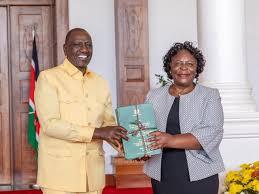
Every 11 minutes, a woman dies somewhere in the world. In Kenya, this translates into 47 women killed weekly—not by strangers, but by those they trusted most. When former Deputy Chief Justice Nancy Baraza handed President William Ruto the Technical Working Group’s final report this week, she delivered more than statistics. She delivered a mirror to a nation’s conscience.
The report exposes systemic failures that have transformed Kenya into a killing field for women. The numbers are staggering: 725 femicide cases in 2024 alone, with women aged 30–44 most affected. Approximately 75 percent of murders were committed by someone known to the victim—intimate partners, relatives, friends.
But beyond the statistics lies a more disturbing reality. “We found widespread defilement, sodomy, and incest, mostly involving children,” Dr. Baraza revealed. Sexual abuse cases involving children as young as three were frequently perpetrated by close family members.
The taskforce identified normalized violence as the root cause, perpetuated through cultural practices including initiation ceremonies that have created environments where violence against women is excused.
The recommendations are as bold as they are controversial. The taskforce proposes mandatory chemical castration for child sex offenders and those who abuse persons with disabilities. Mandatory CCTV cameras would be required in all short-stay accommodations. Most significantly, the report calls for criminalizing marital rape and banning out-of-court settlements in GBV cases.
Under the proposed framework, interference in GBV cases would become a criminal offense, and failure to report GBV would carry penalties. Femicide would be established as a distinct crime with a six-month timeline for case determination and mandatory survivor compensation. A national sex offender registry accessible to the public would track repeat offenders.
“If we develop a framework that will end GBV, we will have safeguarded the fabric of our society,” Dr. Baraza stated. “GBV and femicide cannot continue unchecked. We must act now.”
President Ruto acknowledged that these violations threaten national security and strain the nation’s social fabric.
The NGO Imperative
For women’s rights organizations and NGOs, this report represents both validation and a call to action. NGOs must pivot from documentation to advocacy, mobilizing grassroots support for controversial measures like banning out-of-court settlements that silence survivors in communities where traditional justice systems dominate.
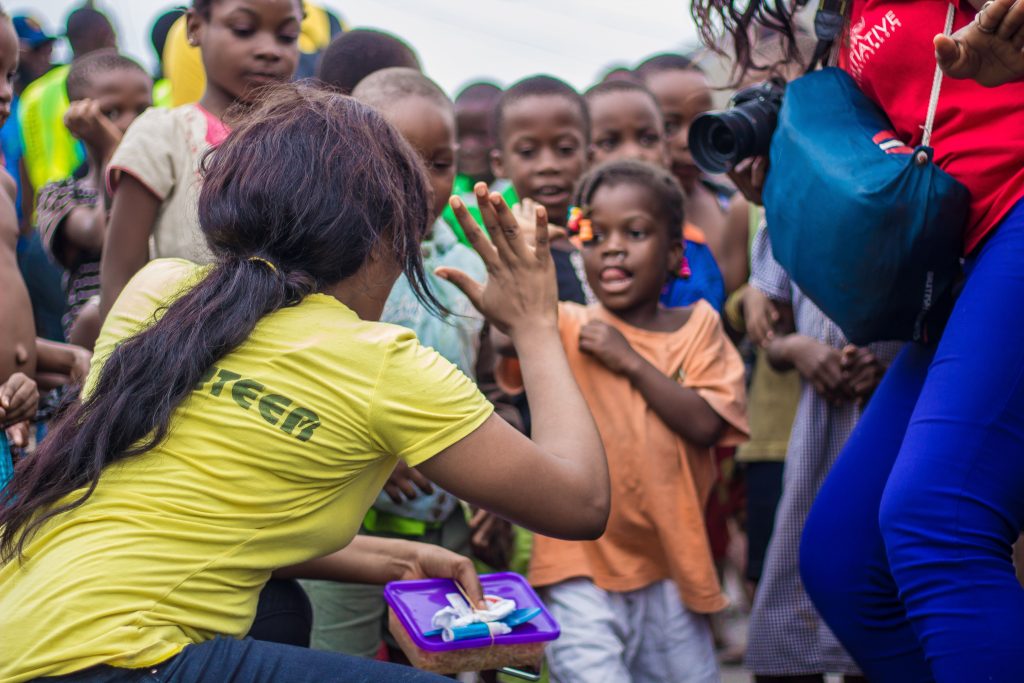
Civil society must intensify survivor support systems while launching community education programs that challenge violence normalization. Economic empowerment initiatives giving women alternatives to violent relationships are essential.
Data collection and monitoring by NGOs will be critical for government accountability. Organizations must track implementation and document ongoing cases to pressure authorities when systems fail.
Most crucially, NGOs must amplify survivor voices in policy spaces, ensuring these testimonies continue shaping the national conversation and preventing the report from becoming another shelf document.
“The country is sick and tired of GBV and femicide,” Dr. Baraza observed. The question now is whether Kenya’s institutions are ready to do what is necessary to end it.