By Wahome Ngatia
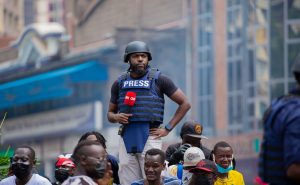
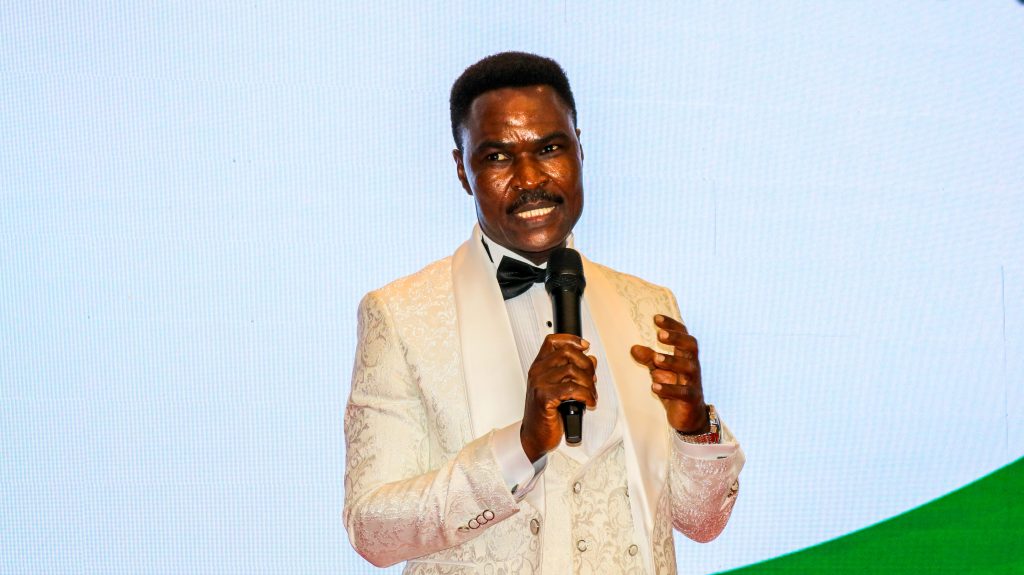
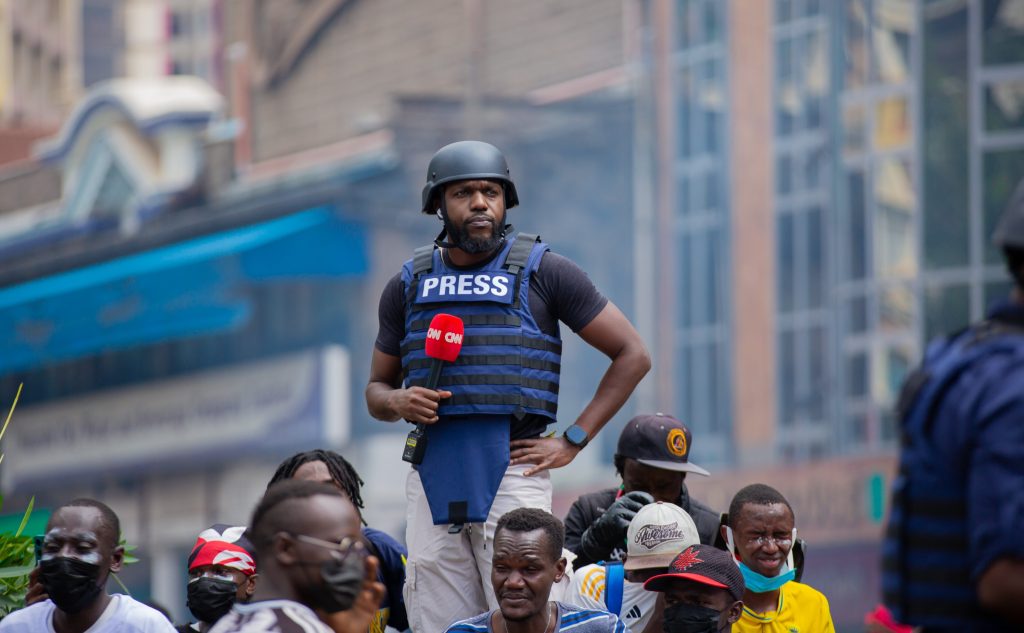
In a year defined by youth-led protests, shrinking civic space and heightened scrutiny of state power, the 2026 Human Rights Defender Awards by Defenders Coalition delivered a powerful message. The night’s top honour—Human Rights Defender of the Year—went to Larry Madowo, whose reporting has persistently spotlighted governance failures, civic unrest and the lived realities of ordinary Africans.
Emerging voices were equally recognised. Damaris Aswa took home the Upcoming Human Rights Defender Award, underscoring the growing influence of grassroots activism beyond Kenya’s urban centres. Veteran campaigner Khelef Khalifa received the Munir Mazrui Lifetime Achievement Award, while Solomon Ayele Dersso was honoured with the Global Solidarity Award for his continental impact.
Founded in 2016, the awards have steadily evolved into one of East Africa’s most prominent platforms for recognising courage in civic action. Under the leadership of Executive Director Mr. Kamau Ngugi, the Defenders Coalition has positioned the ceremony as both a celebration and a subtle act of resistance—spotlighting individuals who often operate under threat, intimidation or institutional neglect.
Past winners reflect a cross-section of Kenya’s civic struggle—from grassroots organisers to high-profile legal advocates and journalists. The awards have previously honoured figures such as Boniface Mwangi and Maina Kiai, whose work has shaped national and international discourse on accountability and civil liberties. This continuity reinforces the awards’ role as a living archive of Kenya’s human rights movement.
The awards are presented in five categories, with winners in the first three each receiving a cash prize of USD 1,000 to advance their human rights work. Past laureates have included constitutional litigator Okiya Omtatah, investigative journalist John-Allan Namu, and Wilfred Olal of the Social Justice Centres Working Group.
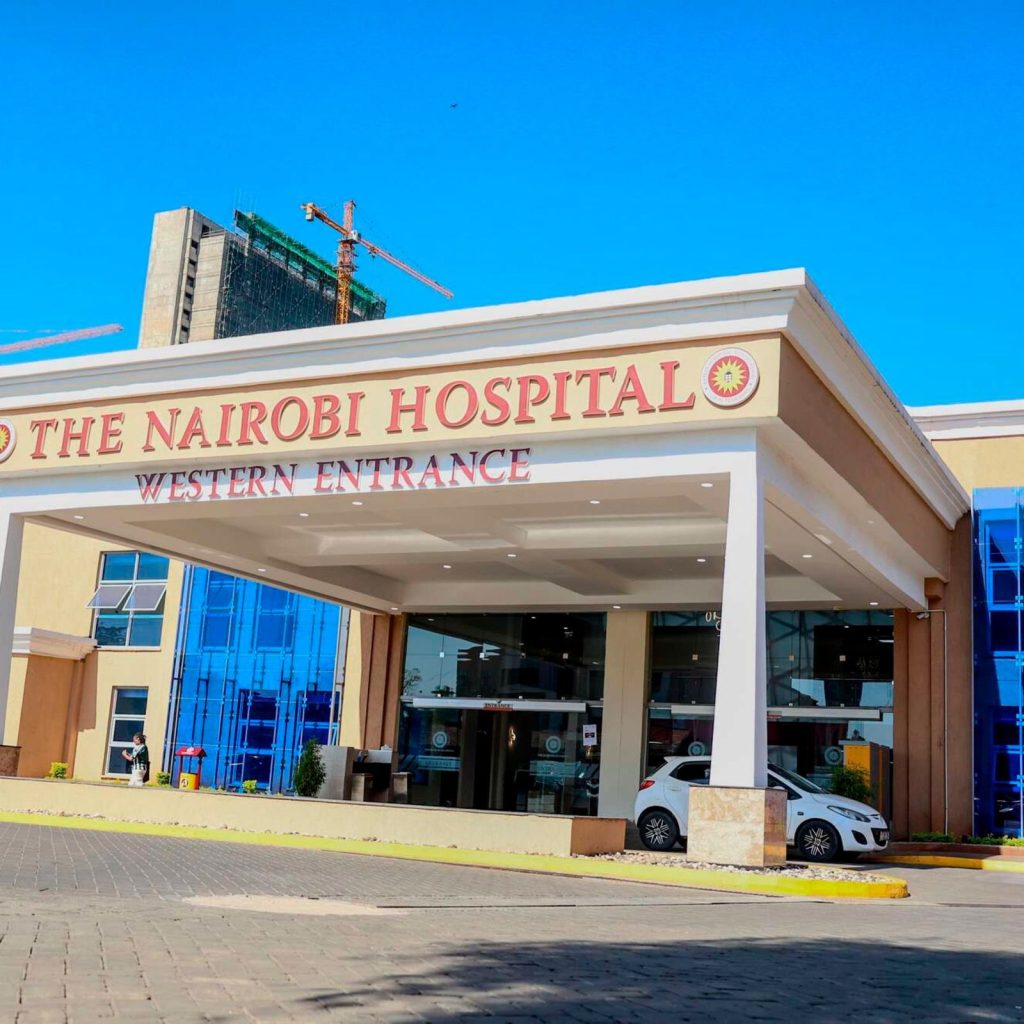
Beyond individual accolades, the 2026 edition also recognised collective action. Medical professionals and mental health practitioners were commended for their role in treating and supporting protestors—an acknowledgment that human rights defence increasingly extends beyond traditional activism into emergency response and community care.