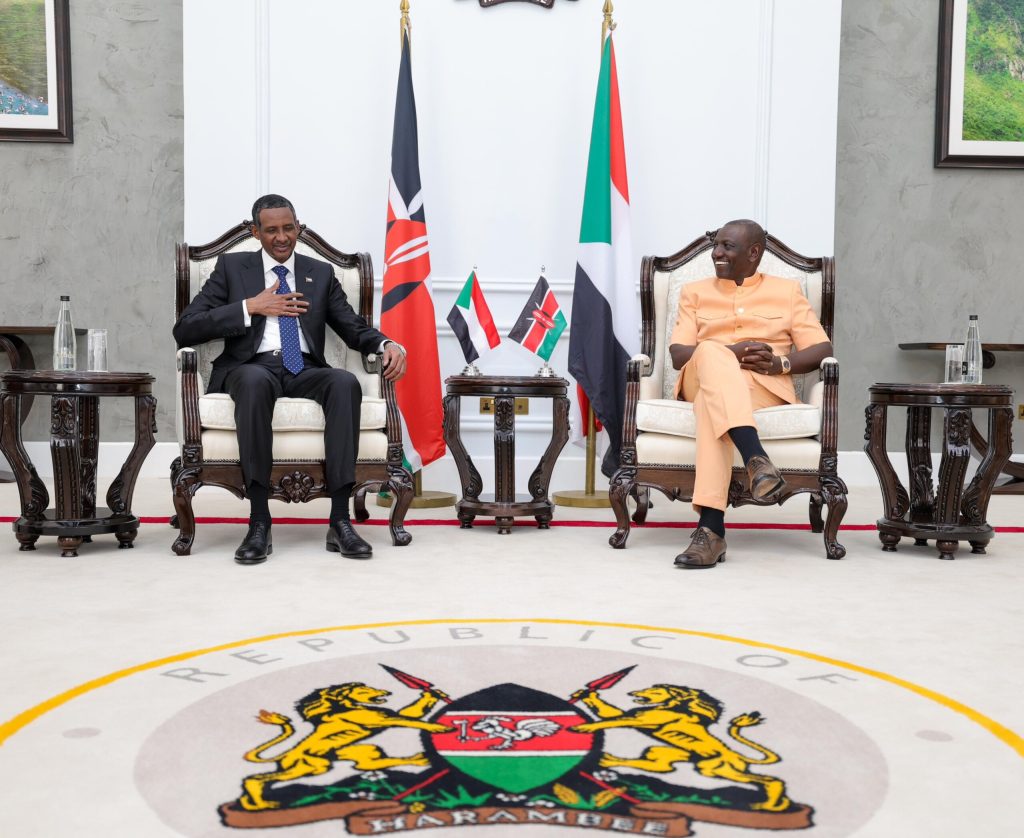
By Wahome Ngatia
A sharp diplomatic storm is brewing after the New York–based Human Rights Foundation (HRF) publicly rebuked the Kenyan government over allegations that it issued passports to individuals linked to Sudan’s notorious paramilitary group, the Rapid Support Forces (RSF).
The foundation, a global democracy and civil liberties watchdog founded by Venezuelan activist Thor Halvorssen, rarely minces words when confronting governments accused of aiding authoritarian regimes or human rights abusers. But its latest statement directed at Nairobi carried an unusually stern warning.
In a statement that quickly ricocheted across diplomatic and activist circles, HRF expressed alarm that Kenyan authorities allegedly granted travel documents to a “sanctioned Sudanese war financier and other individuals linked to Sudan’s genocidal RSF.” The organisation warned that such actions risk enabling sanctions evasion and indirectly supporting a paramilitary force widely accused of atrocities in Sudan’s brutal civil conflict.
At the centre of the controversy is Algoney Hamdan Daglo Musa, the procurement chief of the RSF and brother to the militia’s leader Mohamed Hamdan Dagalo, widely known as Hemedti. Western governments have sanctioned Algoney for allegedly orchestrating the purchase of weapons and military supplies that fuel the devastating war in Sudan.
According to disclosures from the United States Treasury’s Office of Foreign Assets Control (OFAC), Algoney is believed to hold multiple identity documents, including a Kenyan passport—an allegation that has ignited outrage and raised serious questions about Kenya’s vetting procedures.
The HRF warned that issuing passports to individuals tied to the RSF risks transforming Kenyan travel documents into tools for circumventing international sanctions. The paramilitary group has been accused by international monitors and rights groups of ethnic killings, sexual violence and mass displacement during the war in Sudan.
Yet even as the revelations gathered international attention, Kenya’s response has been conspicuously muted.
The Ministry of Foreign Affairs has maintained near-total silence, declining to publicly address the allegations or clarify whether investigations are underway. That radio silence has only amplified scrutiny from global observers and foreign policy analysts who say the matter could dent Kenya’s reputation as a regional diplomatic hub.
Security experts warn that the controversy could trigger increased international scrutiny of Kenyan travel documents and even expose the country to diplomatic repercussions if the claims are confirmed.
The scandal first gained traction after American authorities exposed the passport link in sanctions documentation, forcing the issue into the global spotlight and prompting HRF to demand accountability.
At home, the revelations have stirred a mix of anger and disbelief. On social media and talk shows, many Kenyans questioned how individuals associated with one of Africa’s most brutal conflicts could allegedly obtain Kenyan passports while ordinary citizens endure months-long delays to acquire the same documents.
Others warned that the allegations risk tarnishing the global reputation of a passport long regarded as one of Africa’s most respected travel documents.
For HRF, however, the issue is larger than bureaucratic failure. In its rebuke, the organisation framed the controversy as a moral question—whether a democratic state can afford to appear complicit, even indirectly, in a war that has devastated millions of Sudanese civilians.
As the silence from Nairobi persists, that question continues to echo far beyond Kenya’s borders.