By Wahome Ngatia
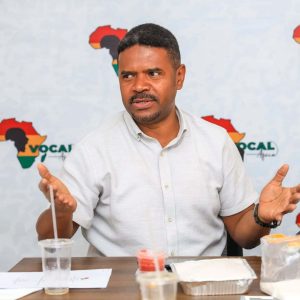
Twenty-five years ago, Dickson Masindano arrived in Nairobi with a mandate and a modest ambition — to plant a seed. What has grown since is a towering institution. Today, Buckner Kenya stands as one of the continent’s more quietly formidable NGOs, a two-time winner of the NGO Awards’ Best in Education category, and a case study in what principled leadership can accomplish across a quarter century.
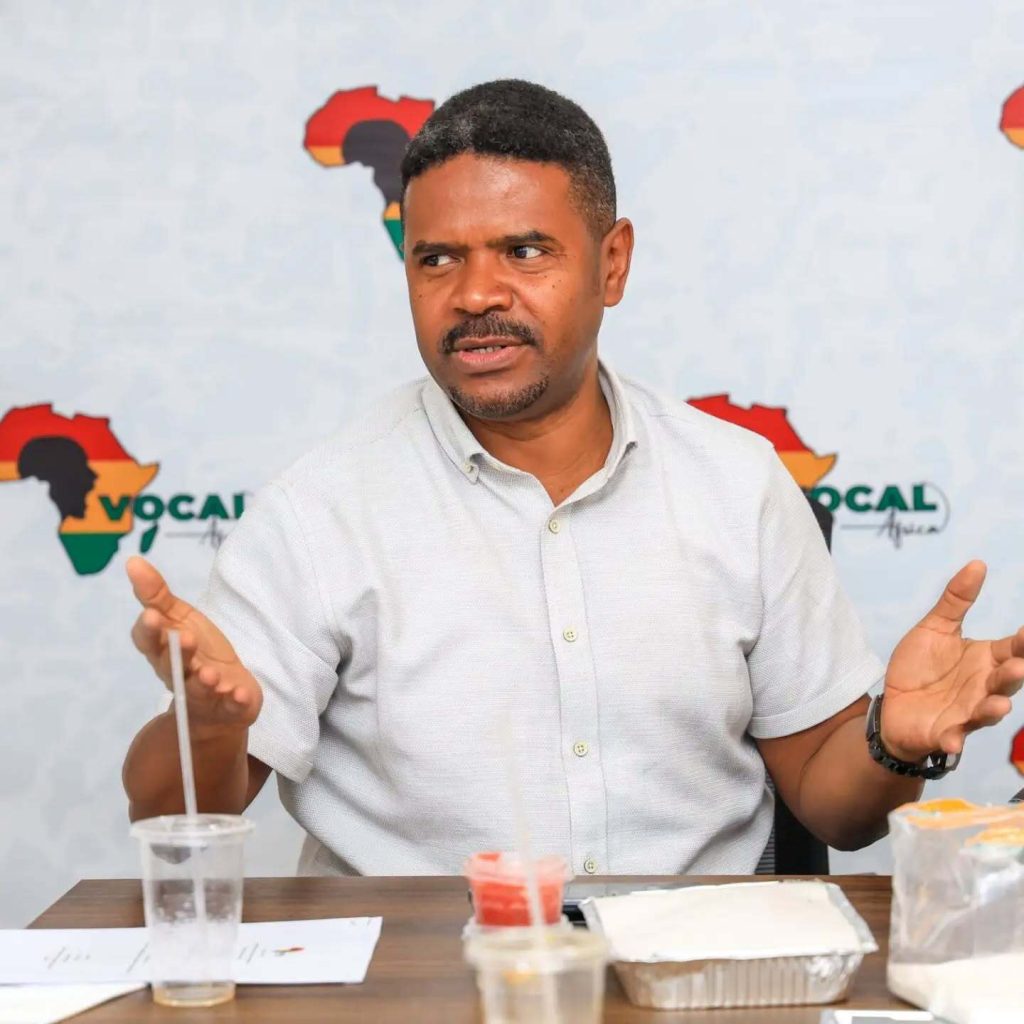
Masindano, who previously worked at Buckner International in the United States, was sent back to Kenya in 2001 to establish a local office. He accepted the assignment. What followed was a masterclass not merely in organizational management, but in the art of leading by example — an art he still considers the bedrock of everything Buckner Kenya has become.
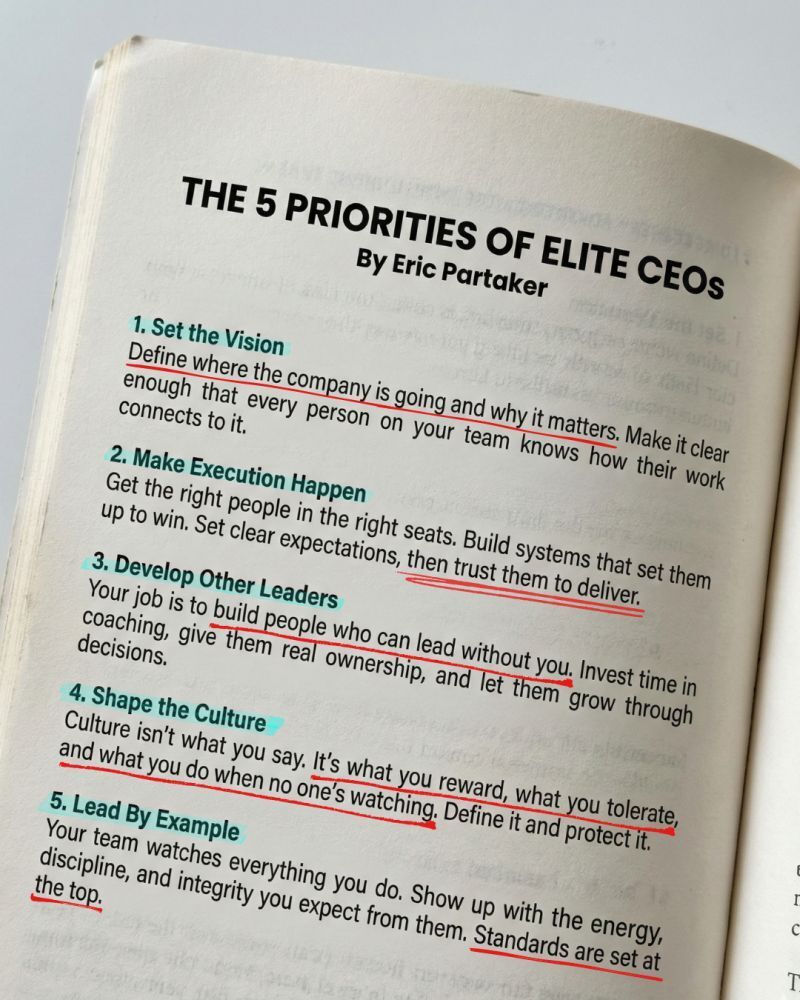
“The juniors are always watching what their leaders do,” he says, leaning back in his office during a reflective sit-down to mark the organisation’s silver jubilee. “It is completely out of place to demand habits from your team that you yourself don’t embody.”
He offers a simple but sharp illustration: “In our workplace, we’re required to bring back receipts when we requisition funds. If I, as Executive Director, don’t form that habit with the accountant, what incentive do the others have to follow suit?”
It sounds almost elementary. But Masindano argues that this kind of quiet hypocrisy — leaders preaching standards they do not themselves uphold — is precisely what has felled many organisations that began with every advantage. He has watched them collapse not from lack of funding, but from a deficit of trust.
“Donors demand a very high level of accountability,” he explains. “Management teams that misuse donor funds, or fail to honour the terms of their original agreements, eventually drive those partners away. And when you have no plan for sustainability, the whole structure collapses.”
72% of donors say trust in an organization’s mission is the primary reason they give, making credibility the most valuable currency in the sector. Yet paradoxically, more than 56% of nonprofits admit they do not even have a formal donor engagement strategy, exposing a critical gap between intent and execution.
Buckner Kenya has not been immune to those pressures, but it has navigated them. The organisation began, as many NGOs do, almost entirely dependent on external donor funding. Over the decades, it has methodically built revenue-generating business ventures that now account for 45 percent of its income — shrinking donor dependency to 55 percent. It is a diversification strategy that reflects the same discipline Masindano brings to his daily leadership.
His approach finds support in the management literature. Paul Smith and colleagues, writing in Organisational Behaviour, argue that how employees perceive their leaders is critical — not necessarily to performance in the immediate term, but to the attitudes, loyalties, and filters through which staff receive and act on leadership decisions. Perception, they contend, shapes workplace behaviour in ways that accumulate over years.
Masindano traces his own leadership philosophy to a foundation of Christian values. He draws a striking parallel to parenting: “When you tell your children to read the Bible, do you read it yourself? Do they see you? This young generation has stopped listening. They watch.”
Grow your people — or lose them to someone who will
Buckner Kenya has built something equally unusual: a culture of genuine investment in employee development. The organisation funds scholarships for staff to pursue master’s degrees, including programmes abroad, in exchange for a three-year commitment to remain with the organisation after graduation.
It is a policy that emerged, in part, from a painful lesson. Early in his tenure, Masindano poured considerable investment — training, mentorship, a full scholarship — into a single high-performing employee. She completed her three years post-graduation. Then a larger NGO came calling with a better salary package, and she left.
The loss sharpened his thinking. He decided he would never again rely on a single successor. “Now we develop at least four capable individuals for any one leadership position,” he says. The criteria are exacting: strong ethical character, a master’s qualification, and demonstrated leadership ability.
It is a model that rewards patience. The approach ensures not only continuity, but the kind of institutional culture — one centred on mentorship, intellectual rigour, and deep accountability — that becomes self-sustaining over time. Masindano recently appointed one of his internally developed leaders as Country Director, freeing himself to take on a broader continental role across Africa. Grooming one’s own replacement, he believes, is the truest measure of a leader’s legacy.
The final reckoning
There is a well-worn exchange between a CEO and his HR manager that Masindano is fond of. The HR director asks: “What if we invest in training our employees and they leave for our competitors?” The CEO pauses, then turns the question around: “What if we don’t train them — and they stay?”
The question lands with the weight of everything Buckner Kenya’s story represents. Organisational strength is not built in a single bold decision, but in the relentless, often unglamorous choices that leaders make when they think no one is watching. The receipt handed to an accountant. The scholarship extended to a junior employee. The successor deliberately and patiently cultivated.
Masindano’s quiet thesis, refined over 25 years, is this: before looking outward at the team, a leader must first be willing to look into the mirror — and be prepared to hold themselves to the very standard they intend to demand of others.