By Wahome Ngatia
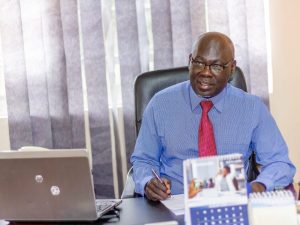
When Buckner Kenya marked its 25th anniversary in February, it had a story worth telling — not just of longevity, but of reinvention. The organisation’s founding Executive Director for the Kenyan chapter, Dickson Natembeya Masindano, sat down with NGOs Hub to share the hard-won lessons of a quarter-century spent keeping children and families afloat. Chief among them: the danger of a single lifeline.
How has your definition of success evolved over 25 years?
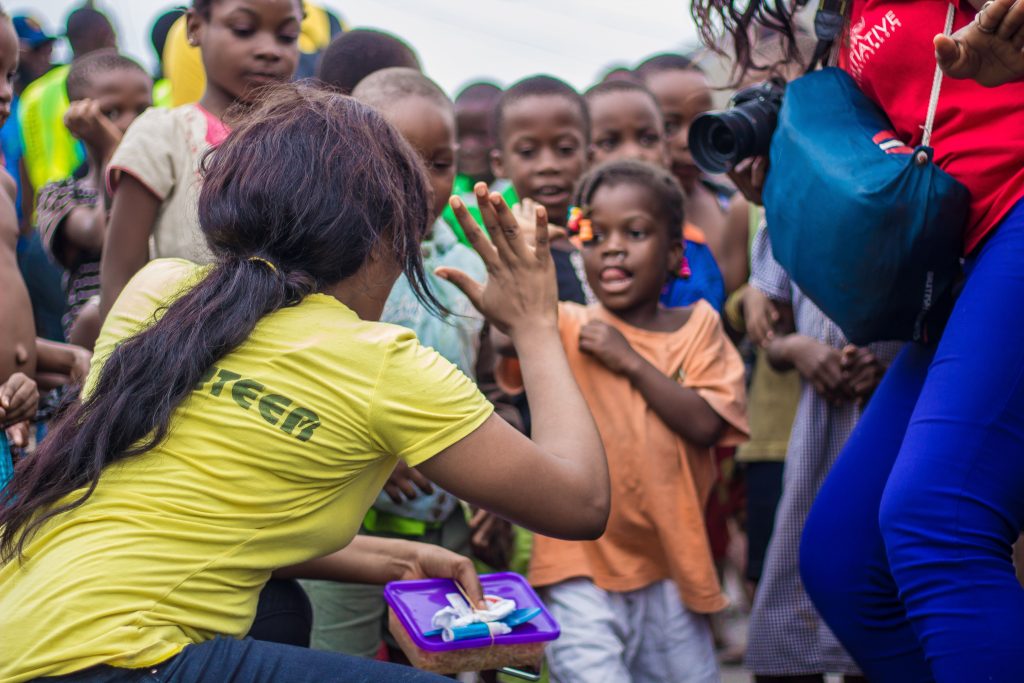
A child comes from a family. Because we work with children, we concentrated on strengthening families so that children can thrive. Our resources are channelled into empowering households to provide the stability every child needs.
We take a holistic view — ensuring children can access quality education and healthcare. Many of them have no insurance cover, so we raise resources to build health facilities in the communities where they live.
How are you moving away from sole reliance on donor funding?
Along the way, we realised that depending entirely on donor funds would leave us dangerously exposed in the long run. We made a deliberate decision to develop income-generating business ventures to supplement our revenue. Today, local resource mobilisation through diversification accounts for 45% of our total income, with donors covering the remaining 55%.
What business ventures has the organisation invested in?
Our schools are of high quality, yet vulnerable families pay just Ksh 8,000 per year — roughly Ksh 3,000 per term. The deliberately low fees are designed to give the community a stake in the process; when people contribute their own resources, they take ownership.
Looking further along the value chain, we identified school uniforms as a significant financial burden for our families. We launched a tailoring business to produce quality uniforms at Ksh 2,000 — well below the market rate of at least Ksh 3,000. Word spread quickly. Parents and administrators from other schools began approaching us, and we now supply uniforms to many schools across Western Kenya. It has become one of our most thriving business units. The tailors we employ are drawn from our own client community.
How do you turn a profit?
We capitalise on economies of scale. High volumes allow us to break even and generate meaningful returns.
How do you keep students fed sustainably?
Food is central to our model. We cultivate five acres of coffee and produce honey. We also farm 50 acres of maize, which feeds children across our schools — each school receives 50 bags annually, and any surplus is sold at market price. This is what makes our low-fee model viable.
To keep costs down, we train local farmers on our land. Rather than charging for training separately, the cost is offset against their wages, keeping operations lean and sustainable. We also rear poultry as part of our agricultural portfolio.
What has been your approach in healthcare?
We have 108 staff members in our medical department. County hospitals regularly refer patients to us because our facilities are equipped for advanced services — including CT scans and MRI. As an NGO, we have no interest in inflating prices for profit. Fair charges attract high patient volumes, and those proceeds sustain the entire medical unit. We run no losses.
The initial capital outlay was significant, but the return on investment has been impressive. We were fortunate to secure the services of a doctor from Aga Khan Hospital in Nairobi who analyses scans remotely using advanced imaging technology. He volunteers his expertise because our mission — affordable healthcare for vulnerable communities — resonated with him deeply. Alongside other medical professionals, he helps us deliver quality diagnosis and treatment to those who need it most.