By Wahome Ngatia
Kenya’s civil society has spent the past two weeks at the centre of some of the country’s most consequential human rights battles. From court victories and campaigns against enforced disappearances to documenting alleged police abuses during protests, non-governmental organisations, legal aid groups and grassroots movements have intensified efforts to defend constitutional freedoms. As tensions between protesters and the State continue to rise, civil society organisations have emerged not only as watchdogs but also as first responders—providing legal representation, documenting violations, mobilising communities and demanding accountability. Below is a roundup of five key developments shaping Kenya’s civic space.
Court Frees Activist Bob Njagi in Blow to Treason Case
Human rights activist Bob Njagi walked free after the Kajiado Law Courts dismissed a treason case against him, ruling that investigators had failed to present sufficient evidence to sustain the prosecution. Njagi had been arrested ahead of the June 25 memorial protests commemorating the 2024 Gen Z demonstrations, with authorities alleging he was mobilising unlawful protests. Civil society organisations, lawyers and rights defenders described the arrest as an attempt to criminalise peaceful civic mobilisation. The court’s decision was widely welcomed by human rights groups, who argued that constitutional freedoms cannot be curtailed through weak or politically motivated prosecutions. The ruling has reinforced concerns that arrests linked to public demonstrations must meet the constitutional threshold for due process and credible evidence.
Rights Groups Secure Freedom for Ngache After Alleged Abduction
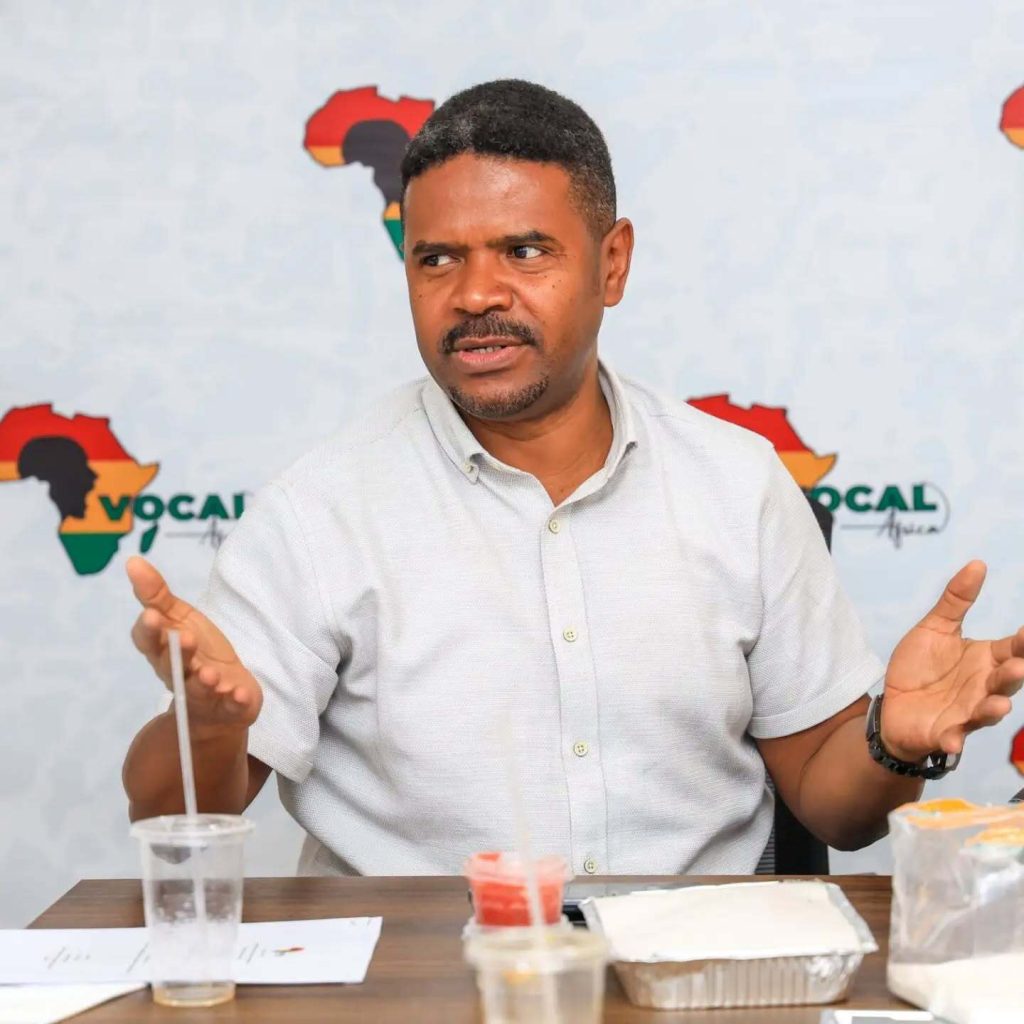
Civil society organisations intensified their campaign against enforced disappearances following the release of activist and social media user Ngache, who had reportedly disappeared after allegedly sharing information on X concerning President William Ruto’s travel itinerary. Rights organisation Vocal Africa led sustained legal and public advocacy demanding her production before court and accountability from security agencies. Her release has renewed scrutiny over alleged abductions targeting government critics and digital activists. Human rights organisations argue that enforced disappearances undermine constitutional guarantees of liberty, due process and freedom of expression. The case has further strengthened calls for independent investigations into all reported disappearances and greater accountability for security agencies accused of operating outside the law.
Saba Saba: Social Justice Centres Lead Calls for Democratic Freedoms
The Social Justice Centres Working Group (SJCWG), a coalition of grassroots social justice centres operating in informal settlements across Kenya, was among the organisations that helped mobilise activities marking the Saba Saba anniversary. The network documents police brutality, supports victims of human rights violations, offers civic education and advocates for social and economic justice in marginalised communities. This year’s commemorations focused on constitutional freedoms, accountability and justice for victims of police violence. On the same day, authorities mounted extensive security operations, with major roads leading into Nairobi’s Central Business District closed and heavy police deployment significantly restricting movement into the city. Civil society organisations criticised the measures as disproportionate restrictions on the constitutional right to peaceful assembly.
Civil Society Documents June 25 Protest Abuses as Eastlands Becomes Flashpoint
Human rights organisations have remained at the forefront of documenting arrests, disappearances and alleged abuses following the June 25 memorial demonstrations. Legal aid organisations, community groups and independent monitors have continued tracing missing protesters, assisting affected families and compiling evidence for possible legal action. Particular attention has focused on Nairobi’s Eastlands, where several neighbourhoods witnessed confrontations between protesters and security officers. Civil society groups argue that excessive force, arbitrary arrests and intimidation undermine public confidence in policing while shrinking democratic space. Their documentation is expected to inform future litigation, public inquiries and international human rights reporting as pressure grows for greater transparency and accountability over policing during public demonstrations.
The Lichuma Case Reinforces Calls to End Enforced Disappearances
The case involving activist Lichuma has become another rallying point for Kenya’s human rights movement, reinforcing long-standing demands to end enforced disappearances and extrajudicial practices. Civil society organisations have consistently insisted that every missing person deserves prompt disclosure of their whereabouts, access to legal representation and protection under the Constitution. The case has featured prominently in advocacy campaigns highlighting the emotional and legal uncertainty faced by affected families. Rights defenders argue that accountability cannot be selective and continue to push for independent investigations, stronger oversight of security agencies and full compliance with constitutional safeguards. For many organisations, the growing number of such cases reflects the urgent need to strengthen the rule of law and protect civic freedoms before public trust is further eroded.